Contents8 sections
The Problem That Wasn't Actually a Problem
We recently completed training a experimental, specialized translation model, for patent and intellectual property documents. The model went through standard training, on a curated dataset of professional translation pairs.
Everything looked good on paper. Training loss decreased nicely, validation metrics were reasonable, and we had a merged model ready for the real evaluation.
Then came the reality check.
The Great Disappointment
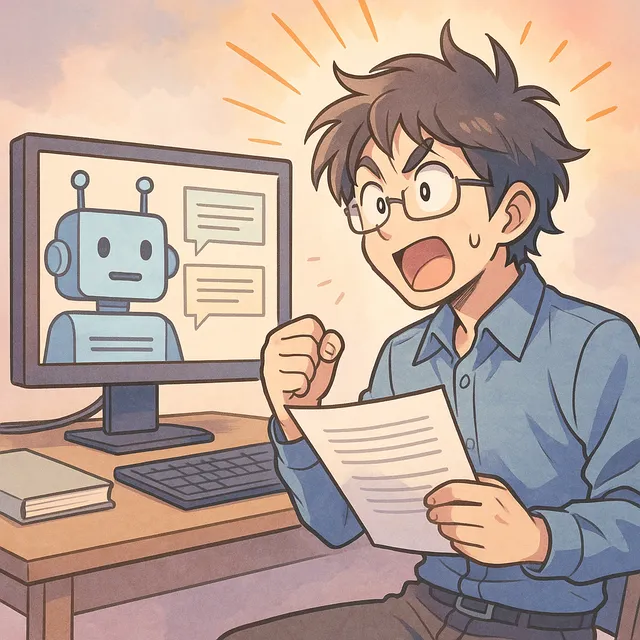
Our initial evaluation was underwhelming. We tried inference on patent claims, technical specifications, and business documents. The model mostly just repeated the English input back to us. Sometimes it would translate specific phrases correctly, but fail completely on everything else.
"Maybe it's overfitted?" we wondered. "Perhaps the training data was too narrow?"
We even attempted to ask the big AI's what went wrong... Not the best idea by the way, as they do not have the nuance.
The Eureka Moment
The breakthrough came when we realized we were evaluation the model completely wrong.
During the last phases of training, our model learned specific format:
- Precise wording: "Translate this from [language] to [language]:"
- Structured input: "[Language]: [text]"
- Expected output location: "[Target Language]:"
After some research, and digging into what the model had actually learned (along with many tests later) we switched to the exact format the model appeared to have learned, magic happened.
The Real Performance
Using the correct format, the model showed remarkable capabilities:
- Patent Claims: Near-perfect translations with proper legal formatting
- Technical Specifications: Accurate technical terminology and structure
- Business Documents: Professional tone and appropriate formality, albeit a bit lacking
- Casual Conversation: Complete failure (as was expected)
Conclusion: The model wasn't broken - it was highly specialized.
Key Lessons Learned
1. Format Matters More Than You Think
Modern language models are incredibly sensitive to input formatting. Even small changes in how you structure prompts can mean the difference between perfect performance and complete failure.
2. Chat Interfaces and Tools Can Be Misleading
Many inference frameworks automatically apply chat templates that may not match what the model learned. Always evaluate with the exact format your model was trained on, and deviate outward to find the right structure. Sometimes it is preferable to write your own inference layer than rely on an 'off the shelf tool'.
3. Specialization vs. Generalization
A model trained on formal, technical language will excel at formal, technical language. It won't magically become a general-purpose translator just because it's a transformer.
4. Domain Expertise is Learnable
The model developed deep understanding of patent language structures, legal terminology, and appropriate formatting conventions. This isn't just memorization - it's genuine domain expertise captured in the learned parameters from the wide dataset.
The Business Impact
What initially seemed like a failed model experiment actually turned out to be exactly what we needed:
- High accuracy
- Consistent formatting
- Professional tone
- Specialized vocabulary
As long as you discover and follow the exact processes the model learned.
To clarify, the model's inability to handle casual conversation isn't a bug - it's a feature. We need accurate, professional translations, not chatbot capabilities. We train for this specifically, and do not include the fluff you might see in those general Large Language Models.
Moving Forward
This experience taught us the importance of:
- Deep model archaeology - digging into what the model actually learned, not what you think it learned
- Format forensics - systematically testing different input structures to discover the model's preferred patterns
- Custom inference layers - building your own evaluation frameworks rather than relying on generic tools
- Honest capability mapping - understanding both the strengths and hard limitations of your specialized models
- Data structure experimentation - discovering which formats and structures yield the best model performance
The key insight: spend as much time understanding your model's learned patterns as you do training it.
The Takeaway
Here at straker.ai, we already know that the best AI models aren't the ones that can do everything - they're the ones that excel at exactly what you need them to do. This experiment was a stark reminder of this, and to pay attention to a models learning.
We discovered that the model's capabilities are locked behind very specific formatting keys. While it was trained on a vast array of information, accessing that knowledge requires understanding exactly how the model learned to expect inputs. Change the format slightly, and even trained patent translations fail. Understand and discover the exact learned format, and suddenly business documents work too. The model's knowledge is there - you just need to know how to ask for it.
Originally published on labs.straker.ai.